
A village. A community.A continuing journey.
The story of Burgula Cotton Trust begins not with a product, but with a concern for the development of a village and its people.
Burgula has historically been an agricultural community. The Trust's original note describes the challenges faced by rural households, particularly women and educated youth who had fewer opportunities to find employment locally.
This concern led community members to come together and form a Village Development Forum.
The Forum encouraged members of the family of late Sri Burgula Venkateshwar Rao, younger brother of Dr. Burgula Ramakrishna Rao, to undertake developmental activities in the village. These efforts eventually led to the establishment of the Burgula Cotton Trust.
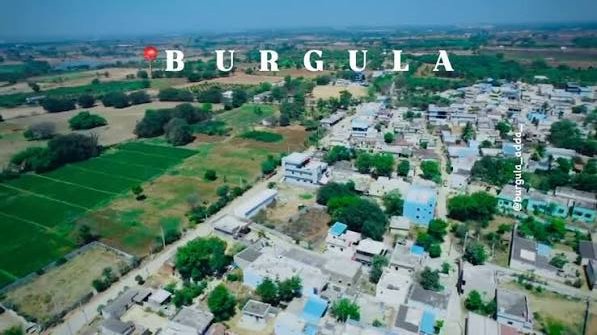
Development begins
with the village
The Trust's story is connected to a wider history of community-led development in Burgula. Earlier initiatives associated with the family and village included efforts towards a railway station, healthcare facilities, school infrastructure and educational support in surrounding habitations.
Village residents also contributed through shramadaan — voluntary community labour.
These efforts reflected a larger belief:
“Development becomes meaningful when communities participate in creating it.”
The Cotton Trust grew from this foundation.
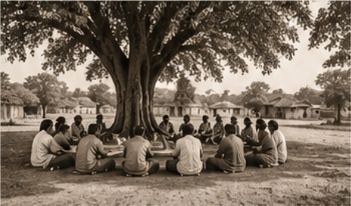
From Agriculture to aVillage Textile Economy
The textile initiative was conceived as a way of creating local employment and retaining value within the village.
The original vision was ambitious: to bring different stages of textile production closer together - from cotton and spinning to weaving and cloth.
The Trust's earlier plans included local cotton cultivation using NPM practices, supplying cotton to a small-scale spinning unit and exploring further value addition through organic cultivation and natural dyes.
The underlying economic principle was straightforward:
“When more stages of production happen locally, more of the value created can remain within the local economy.”
This approach placed women and youth at the heart of the textile initiative — with opportunities in spinning, weaving, machine operation and other stages of production.
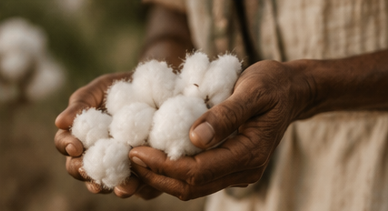
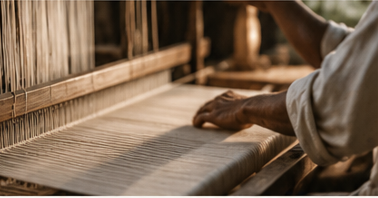
The Revival Today
The textile work in Burgula continues to evolve.
In 2026, the Trust began a new phase of revival of its handloom unit, beginning on 1 March 2026. This phase brings renewed attention to cotton yarn production, fabric production, handloom development and sustainable economic opportunities.
On 2 October 2026, the Trust marks this phase through the formal beginning of yarn and fabric production at the Burgula unit, alongside a public presentation of its ongoing handloom and rural livelihood initiatives.
But revival, for us, does not mean simply recreating the past.
It means understanding what existed, learning from the knowledge embedded in it, and asking:
“What can this become today?”
From Cotton to Cloth,
in One Village
Our vision can be understood through a simple journey:
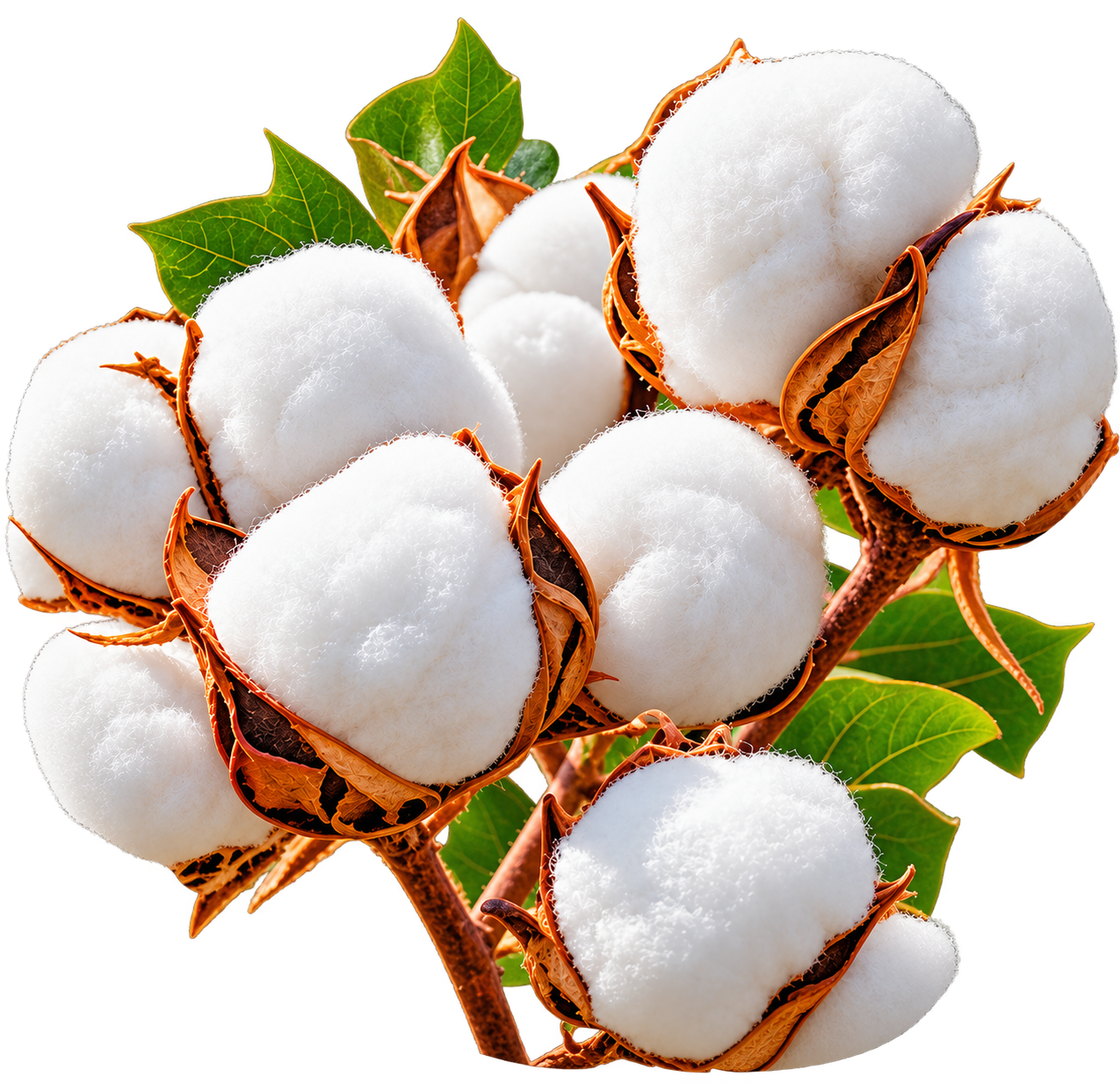
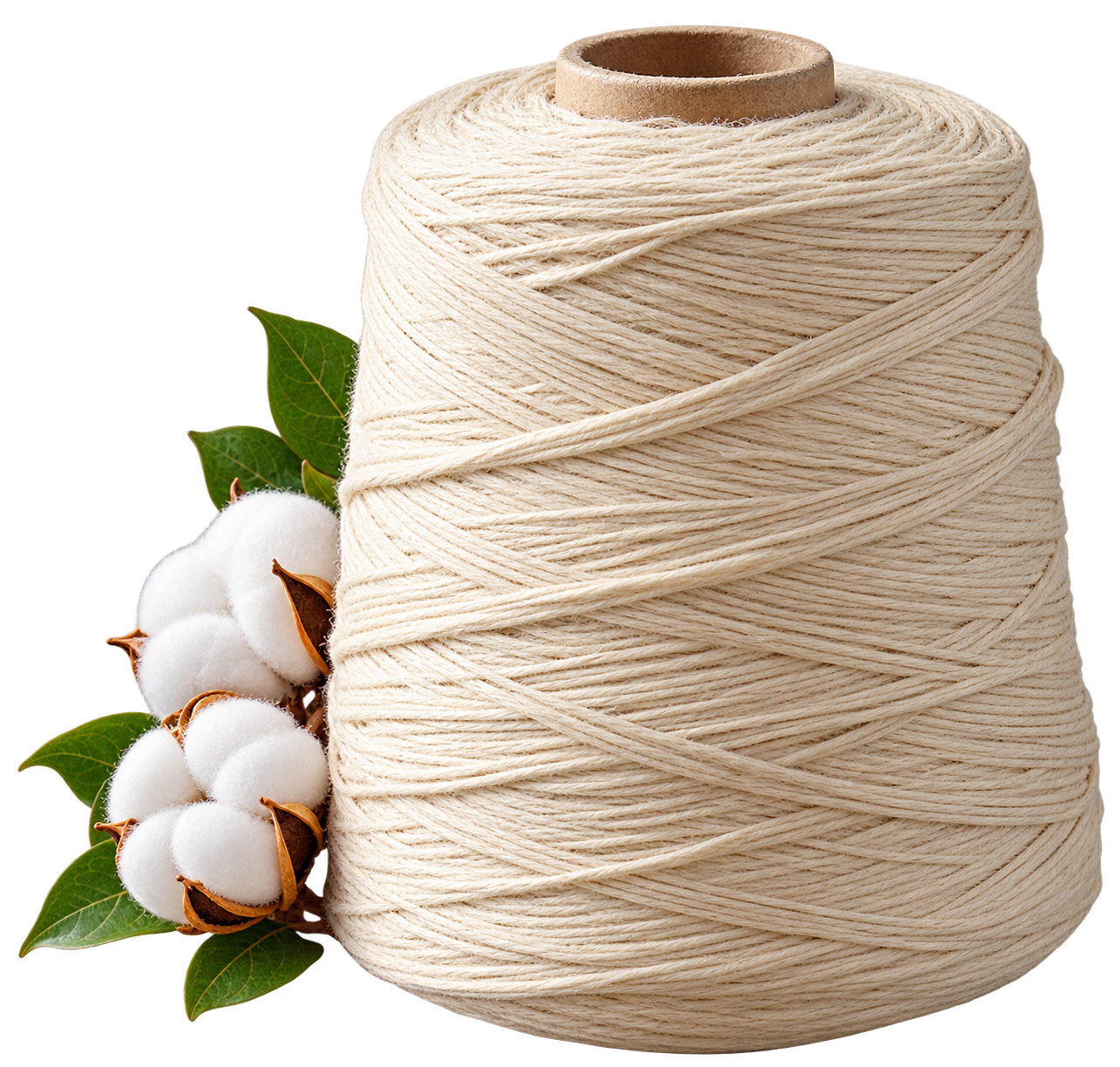
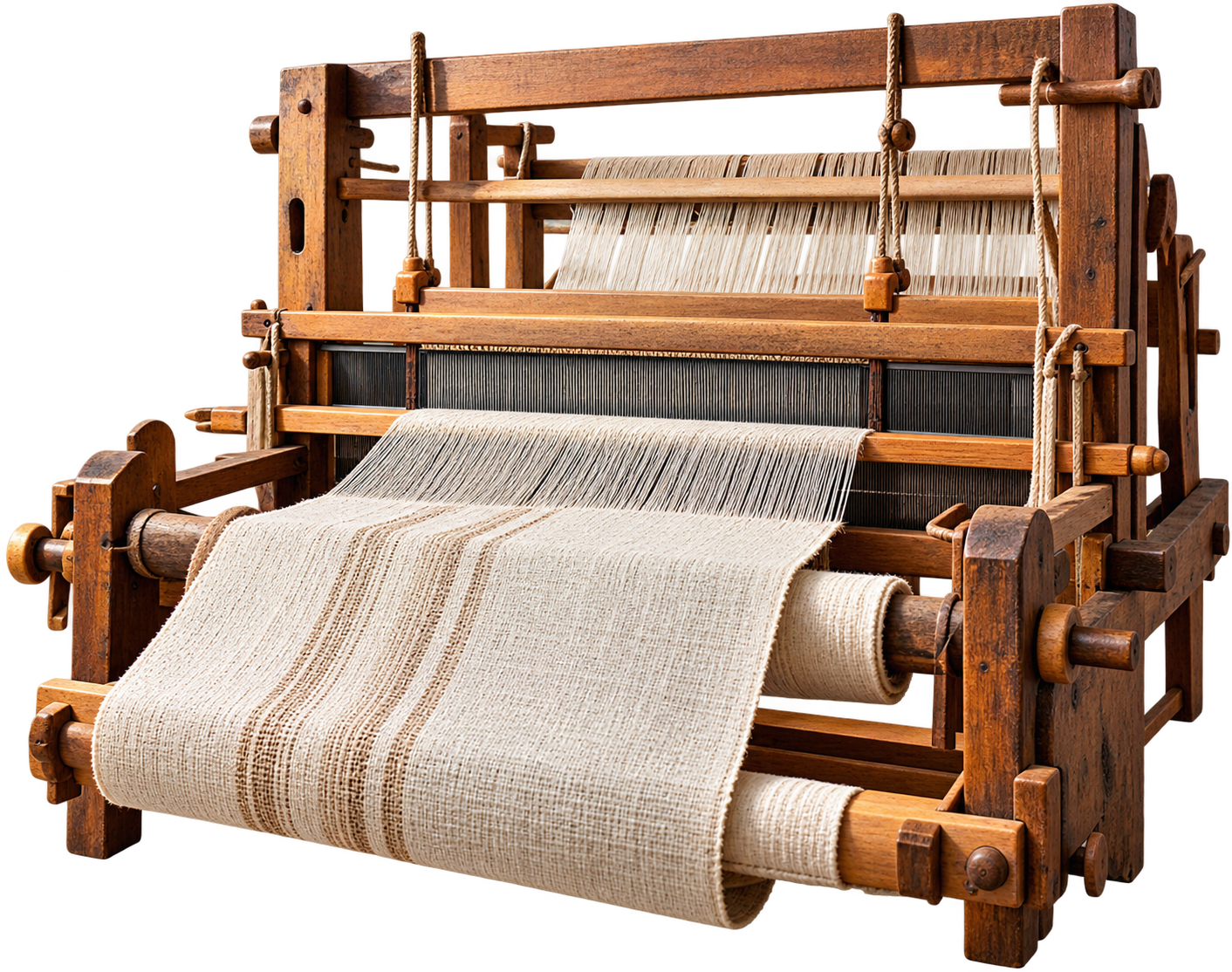
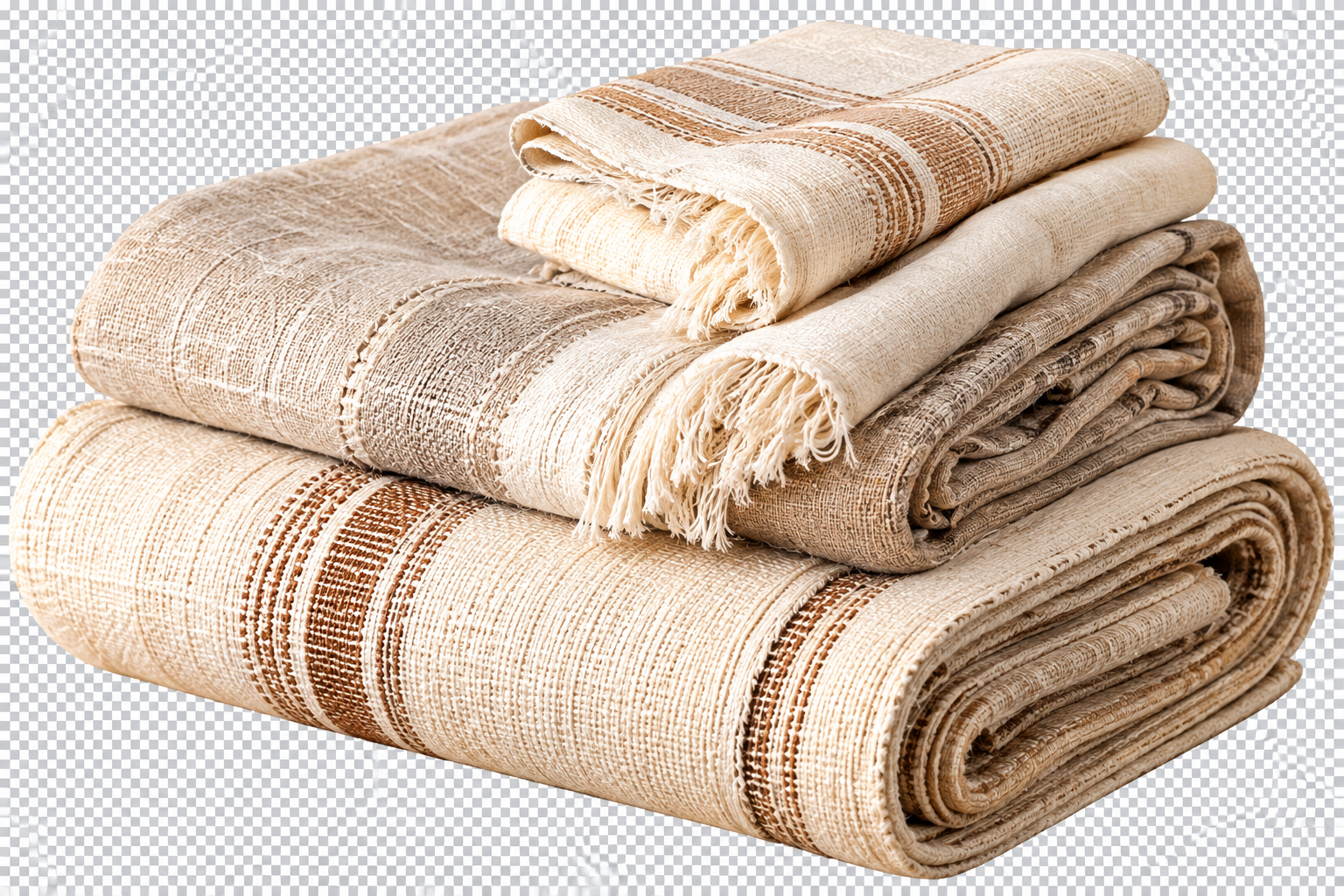
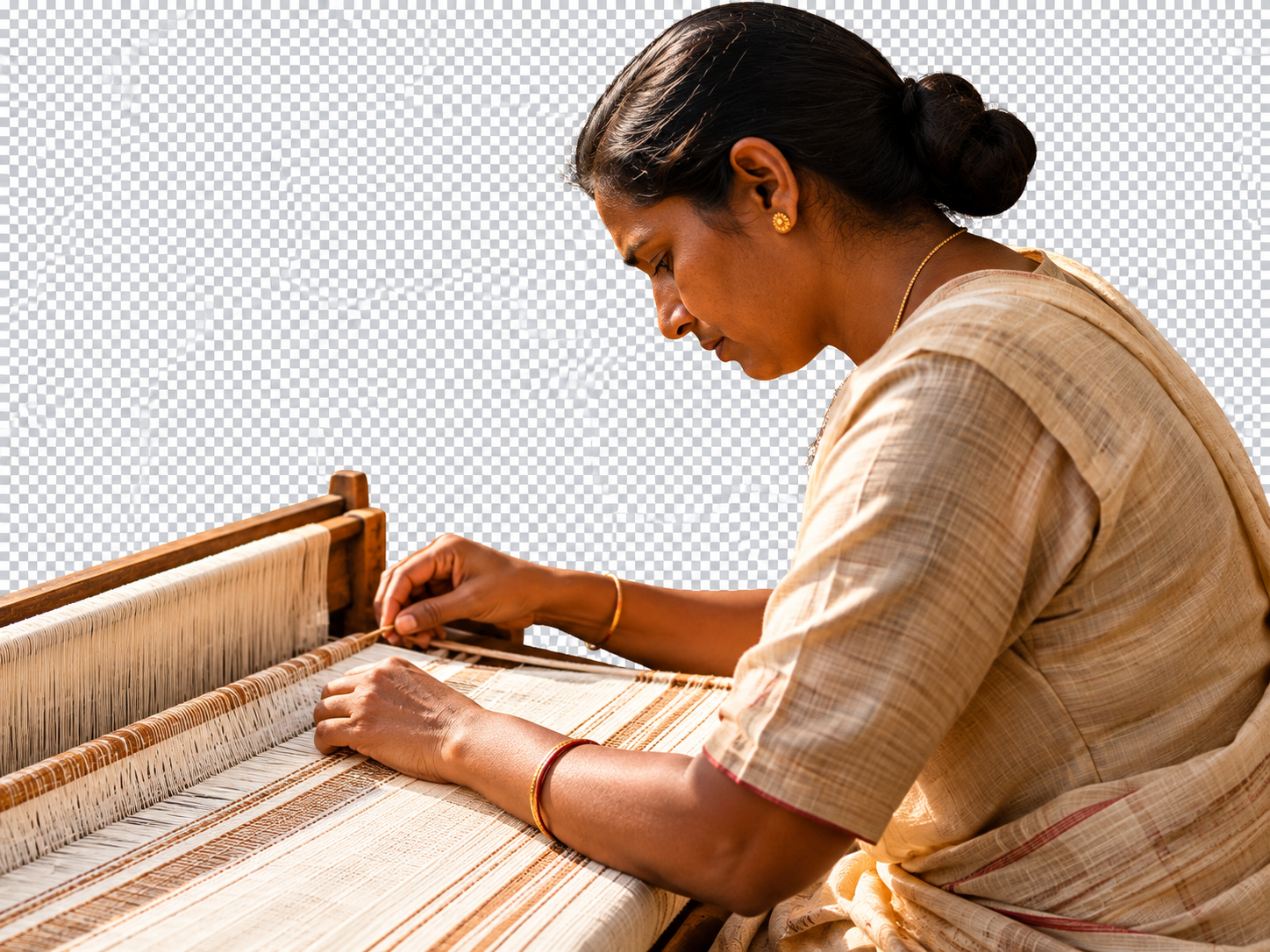
The aim is to strengthen the connections between these stages rather than treating them as isolated activities.
This includes exploring different yarns and fabrics, strengthening weaving networks, developing skills, documenting knowledge and creating opportunities for contemporary applications of handloom.
Looking Ahead
The future of Burgula Cotton Trust lies in combining continuity with experimentation.
Alongside strengthening existing handloom practices, we see possibilities in:
The Trust's original vision also recognised the importance of partnerships with other organisations to strengthen the social and economic ecosystem around the textile initiative.
Our Belief
We believe that heritage is not something that belongs only in the past. It can be a foundation for the future.
A village can be a place of production, learning, creativity and enterprise.
A loom can carry knowledge across generations.
Cotton can become yarn.
Yarn can become cloth.
And cloth can become livelihood.